Earbuds, Neckband or Over-Ear: Choosing the Right Shape
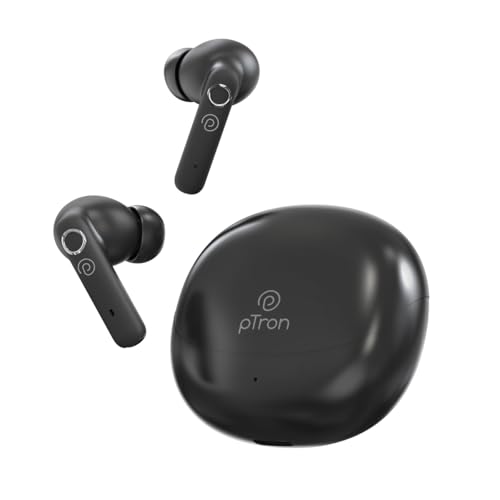
Most buying advice starts with sound quality. For wireless audio that is the wrong end to start from, because within any given budget the three formats sound broadly similar. What differs enormously is how they fit into a day.
The three shapes at a glance
| True wireless earbuds | Neckband | Over-ear headphones | |
|---|---|---|---|
| Battery per charge | 4–8 hours | 15–40 hours | 25–60 hours |
| Recharge | Pocket case, several refills | Plug in the band | Plug in |
| Risk of losing one | High | None — they are tethered | None |
| Comfort over hours | Ear canal fatigue | Same, plus band on the neck | Best, if the clamp suits you |
| Heat | Low | Low | Warm ears — noticeable in Indian summers |
| Portability | Excellent | Good | Bulky |
True wireless earbuds
The default choice, and for good reason: nothing else disappears into a pocket the same way. The compromises are real though.
Per-charge runtime is the shortest of the three, so they suit an interrupted day — commute, meeting, gym — better than a continuous one. And there is a loss risk that people underestimate until it happens: a single bud dropped on a platform is usually unreplaceable, because manufacturers rarely sell one side separately.
They are also the format where fit matters most. A bud that does not seal loses bass and isolation simultaneously, and people often blame the product when the tip is simply the wrong size.
Browse true wireless earbuds on Amazon
Neckbands
Frequently dismissed as old-fashioned, and genuinely the most practical shape for a particular kind of day: long stretches of listening, on the move, where you take the buds out often.
The band houses a battery many times larger than what fits inside an earbud, which is why per-charge runtime is measured in tens of hours rather than single digits. The buds magnetise together against your chest when not in use, so they are never put down and never lost. Most have a physical control pod, which is more reliable than tapping the side of your head.
The downsides: the band is visible, it can catch on a collar, and there is no case, so they live loose in a bag.
Browse neckband earphones on Amazon
Over-ear headphones
The most comfortable option for a long continuous session, and the most effective combination with noise cancelling because a sealed earcup already blocks a great deal before the electronics start.
They are also the format where a given budget buys the most sound, simply because there is room inside for a larger driver and better damping.
The honest drawback in India is heat. An earcup that seals against the side of your head traps warmth, and in a Delhi or Chennai summer that becomes uncomfortable well before the battery runs down. If your listening is mostly outdoors or in un-airconditioned rooms, this is a bigger factor than any specification.
Browse over-ear headphones on Amazon
Choose by your day, not by the spec sheet
- Short, frequent sessions; want it invisible → true wireless earbuds
- Long hours on the move; hate charging; lose things → neckband
- Desk work, flights, serious listening; air-conditioned → over-ear
- Working out → check the IP rating first; sweat resistance matters more than shape
One thing common to all three
Whatever the shape, check whether the model supports multipoint — pairing to two devices at once, typically a phone and a laptop. Without it, every switch between a call on the laptop and music on the phone means disconnecting and re-pairing. It is a small feature that changes daily use more than most audio specifications do.